What Is ERV in HVAC?
ERV Explained for Homeowners
If you've been wondering what is ERV in HVAC, here's the short answer: an energy recovery ventilator is a mechanical ventilation unit that swaps tired indoor air for fresh outdoor air, all while capturing the heat and humidity that would otherwise be thrown away.
An energy recovery ventilator works quietly in the background of your HVAC system, recycling energy so your furnace and air conditioner don't have to work as hard.
For airtight modern houses where windows rarely open, an ERV in HVAC is often the difference between stuffy, stale air and a home that feels genuinely fresh.
Why an ERV Matters in Your HVAC Setup
Indoor air can become polluted with cooking odors, off-gassing from furniture, pet dander, and excess moisture. An energy recovery ventilator continuously dilutes these contaminants with clean outside air.
From an efficiency standpoint, an ERV can reclaim a large share of the heat and moisture leaving your home, easing the strain on your heating and cooling equipment.
As ventilation requirements tighten in building codes across Quebec, an energy recovery ventilator is becoming a practical way to stay compliant and comfortable at the same time.
What Is an Energy Recovery Ventilator?
How the Core Actually Works
What is an energy recovery ventilator? At its heart, it's a box with a special exchange core that lets outgoing and incoming air pass close together so heat and humidity transfer between them, without the two streams ever mixing.
The enthalpy wheel or membrane inside the unit is the secret. It pulls warmth and moisture from one airflow and hands it to the other, keeping your conditioned air's energy in the building.
That moisture-handling ability is what makes an energy recovery ventilator shine in muggy summer weather, where it helps keep humidity in check and discourages mold.
The Main Parts of an ERV
The exchange core, usually an enthalpy wheel or a cross-flow membrane, is where heat and moisture move between air streams while the flows stay separate.
Two independent fans keep airflow balanced, one drawing fresh air in and the other pushing stale air out through dedicated ducts.
Filters sit at the intake to trap dust, pollen, and grit, both protecting the equipment and improving the air you breathe.
- Aim for an energy recovery ventilator with a sensible recovery efficiency (SRE) at or above 80%.
- Pick MERV 13 or HEPA filters if anyone in the home has allergies.
- Look for quiet models rated under 1.5 sones so the unit blends into the background.
- Confirm ENERGY STAR certification to qualify for rebates on your ERV in HVAC system.
- Stay on top of maintenance so the core keeps doing its job.
What Is Energy Recovery Ventilation?
The Process Step by Step
What is energy recovery ventilation? It's simply the act of trading indoor and outdoor air while salvaging the heat and humidity that would normally escape, trimming energy loss along the way.
Because the incoming air gets preconditioned by the outgoing air, your furnace or air conditioner has less work to do, which shows up as lower bills.
By steadying humidity, energy recovery ventilation dodges both the clammy feeling of summer and the bone-dry air of winter.
The Payoff of Energy Recovery Ventilation
An energy recovery ventilator clears out CO2, VOCs, and allergens, which is a real benefit for anyone sensitive to indoor air quality.
With recovery rates that can reach 90%, an ERV in HVAC commonly cuts 15 to 20% off heating and cooling spending versus basic exhaust fans.
Its humidity management keeps condensation off windows and walls in tightly built homes, a big plus during humid stretches.
What Is a Heat Recovery Ventilator?
ERV Versus HRV
What is a heat recovery ventilator? An HRV moves only heat between air streams. The energy recovery ventilator goes a step further by also transferring moisture, so HRVs tend to suit dry climates.
An HRV is a strong fit for cold, dry regions where holding onto indoor humidity isn't a concern, whereas an energy recovery ventilator handles humid conditions better.
Deciding between an HRV and an ERV in HVAC comes down to your local climate and how much moisture control you actually need.
What an HRV Does
What does a heat recovery ventilator do? It exchanges stale indoor air for fresh outdoor air and transfers heat to limit energy loss, which makes it well-suited to cold winters.
Unlike an energy recovery ventilator, an HRV leaves moisture out of the equation, which can dry the air in winter but keeps operation simple in frigid zones.
By recapturing heat from outgoing air, an HRV trims heating costs and can complement an ERV in HVAC depending on the climate.
What Is a ERV?
Wrapping Your Head Around the ERV
What is a ERV? It's a ventilation system built to recover both heat and moisture, striking a balance between fresh air and energy efficiency in homes or businesses.
An energy recovery ventilator earns its keep in humid weather, holding indoor humidity in the comfortable 30 to 50% range and discouraging mold.
Within today's HVAC systems, an ERV supports lower energy use while delivering steady fresh air and meeting ventilation codes.
Applications of ERVs in HVAC
In the Home
An energy recovery ventilator is a natural choice for tightly sealed, efficient homes where air can't refresh itself, helping prevent that stuffy, stale feeling.
For households dealing with allergies, an ERV in HVAC fitted with high-grade filters strips out fine particles and eases breathing.
Through Quebec's humid summers and dry winters, an energy recovery ventilator keeps ventilation and humidity balanced all year long.
Commercial and Industrial Spaces
In offices, an energy recovery ventilator delivers steady fresh air to staff, cutting down on sick building complaints while keeping HVAC costs reasonable.
Gyms and restaurants lean on an ERV in HVAC to tame humidity and odors without burning through energy.
Industrial sites use an energy recovery ventilator to satisfy ventilation rules while recovering energy in busy, high-occupancy areas.
Choosing the Best ERV for HVAC
Models Worth a Look
The Panasonic Intelli-Balance 100 is a popular energy recovery ventilator, reaching as high as 93% heat recovery and running quietly at around 0.8 sones.
Venmar's AVS E15 is a dependable ERV in HVAC with sturdy enthalpy cores and smart controls, built for the cold-and-humid swings of Canada.
Fantech's SER series is another solid energy recovery ventilator, especially good at humidity control in damp regions.
How to Choose
Match the capacity of your energy recovery ventilator (roughly 50 to 200 CFM) to your home's size so it ventilates properly without straining.
Favor an ERV in HVAC with strong sensible and latent recovery numbers (above 80%) and low noise for everyday comfort.
Choose a unit backed by at least a 5-year core warranty and 2 years on parts to safeguard your investment.
Installation and Maintenance
Leave Installation to a Pro
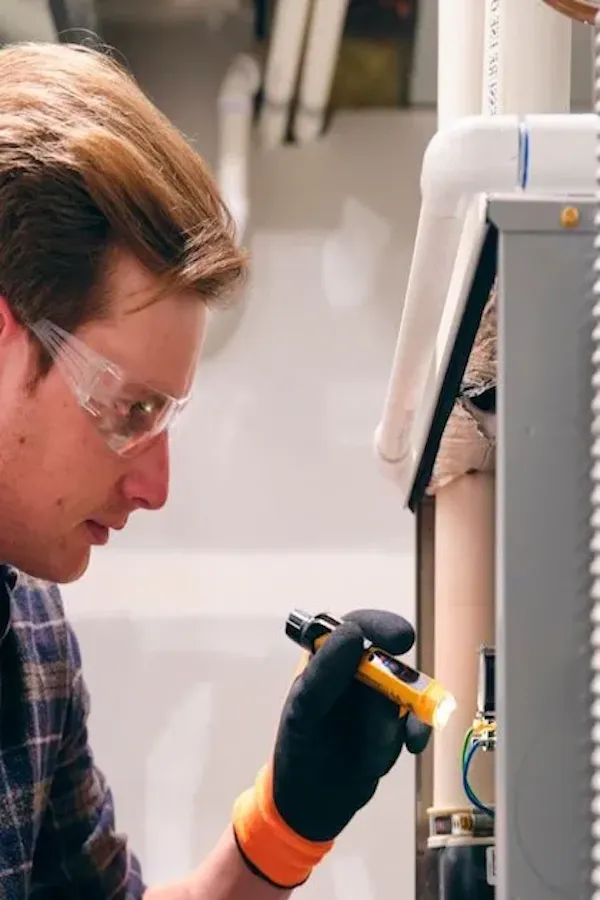
Setting up an energy recovery ventilator calls for a certified professional who can get the ductwork, airflow balance, and code compliance right.
A sloppy installation of an ERV in HVAC invites air leaks and lost efficiency, driving up costs and undermining air quality.
Installation for an energy recovery ventilator typically runs $2,000 to $5,000, depending on the home and ductwork.
Keeping It Running
Swap or clean the filters on your energy recovery ventilator every 3 to 6 months to keep airflow strong and dust at bay.
Check the enthalpy core once a year, washing it gently to clear debris and preserve heat and moisture transfer.
Book a professional maintenance visit every 2 to 3 years to inspect fans, ducts, and controls, usually $100 to $200 each time.
Performance in Different Climates
Humid Conditions
An energy recovery ventilator thrives in humid weather, shifting moisture to keep indoor levels comfortable and mold at arm's length.
During summer, an ERV in HVAC tempers the humidity of incoming air, lightening the load on the air conditioner.
Units like Fantech's SER series fine-tune energy recovery ventilation in damp areas for steady, reliable results.
Cold Conditions
In winter, an energy recovery ventilator stops excess humidity from building up in sealed homes while still recovering heat.
Many ERVs add a preheater so the core won't freeze when temperatures plunge below zero.
An energy recovery ventilator holds humidity around 30 to 50% in cold months, sparing you the discomfort of overly dry air.
Cost and Incentives
What an ERV Costs
The unit itself runs $1,500 to $4,000, with installation adding $2,000 to $5,000 based on system complexity and ductwork.
Efficient choices like the Panasonic Intelli-Balance trim energy bills enough to pay back within roughly 5 to 7 years for an ERV in HVAC.
Upkeep stays light, usually $100 to $200 a year for filters and servicing.
Rebates to Watch For
In Quebec, Hydro-Quebec rebates of up to $1,000 are available for an ENERGY STAR-certified energy recovery ventilator.
South of the border, federal tax credits have covered 30% of an ERV in HVAC, up to $600, under recent energy legislation.
Local utility programs sometimes layer on extra savings, so it's worth checking with your provider before buying.
Conclusion: The Value of an ERV in HVAC
Is an ERV Right for You?
Knowing what is an ERV in HVAC makes its appeal clear: cleaner air, lower energy bills, and steadier humidity throughout the home.
An energy recovery ventilator is a sensible upgrade for both households and businesses, bundling health, comfort, and efficiency into one unit.
Pick a quality ERV and keep up with maintenance, and you'll enjoy healthier, more efficient indoor air for many years.
Maximize Your Home's Comfort with Terrebonne's HVAC Expert
Get the most out of your home's climate control. Skilled installation and consistent care of your HVAC system are the surest ways to boost comfort, lower energy costs, and avoid surprise breakdowns.
For homeowners in Terrebonne ready for that edge,
Climatisation Terrebonne
is here to help. Get the conversation going by calling
+1 (450) 729-1076
or emailing
climatisationterrebonne@outlook.com
.
Whether you need a full system upgrade or a careful tune-up, they tailor the solution to your home. Getting started is simple—reserve a time that works for you through their online booking tool. For a full rundown of what they offer and a free, no-pressure quote, head to their website: https://climatisationterrebonne.com .
Need Professional Help?
If the ERV in your HVAC setup isn't ventilating the way it should or feels inefficient, our certified technicians can pinpoint and fix the issue. Explore our air exchanger installation, repair, and maintenance services in Terrebonne.
Approved sites
Further reading
A Plain-Language Guide to Energy Recovery Ventilators +1 (450) 729-1076
What Is ERV in HVAC?
Nous offrons des services de chauffage, climatisation et ventilation à Terrebonne, Québec, spécialisés dans l'installation et la réparation de thermopompes, climatiseurs et échangeurs d'air pour des projets résidentiels et commerciaux. climatisationterrebonne@outlook.com

Copyright © 2024
Propulsé par : Earnanswers
Contactez-nous
Climatisation Terrebonne Chauffage Climatisation Ventilation
Si vous recherchez des solutions de chauffage et climatisation de qualité près de chez vous, notre équipe d'experts chez Climatisation Terrebonne vous garantit des résultats fiables et écoénergétiques. Nous desservons Terrebonne, Lachenaie, Saint-Louis-de-Terrebonne, Saint-Joachim, Domaine-des-Pins, Domaine-du-Boisé, Île-des-Moulins, Côte Terrebonne, La Plaine, Mascouche, Repentigny, Laval et les environs. Contactez-nous pour une soumission rapide sur vos besoins en thermopompes, climatiseurs ou échangeurs d'air.