What Is an Energy Recovery Ventilator?
Getting to Know the ERV
An energy recovery ventilator (ERV) is a balanced ventilation appliance that swaps the tired, used-up air inside your house for clean outdoor air, all while capturing the heat and moisture that would otherwise be thrown away.
What sets an ERV apart from a simple exhaust fan is its talent for holding onto energy. It can salvage as much as 85% of the heat and humidity leaving your home, which is a real advantage in airtight, well-insulated houses.
For today's energy-efficient builds, an energy recovery ventilator quietly does the heavy lifting of keeping indoor air fresh, cutting back on allergens, dampness, and the stale feeling that comes with sealed-up rooms.
How an ERV Stacks Up Against Other Systems
The big difference is moisture. An energy recovery ventilator moves both heat and humidity between airstreams, whereas a heat recovery ventilator (HRV) only handles heat. That makes ERVs a smarter pick when summer humidity is a concern.
Compared with exhaust-only setups, an ERV delivers truly balanced ventilation, pulling in and pushing out air in equal measure so household pressure stays stable.
Here in Quebec, where summers turn muggy and winters run bone-dry, that humidity management makes an energy recovery ventilator especially worthwhile.
What Is an ERV in HVAC?
The ERV's Place in Your HVAC Setup
What is an ERV in HVAC? Within a heating, ventilation, and air conditioning system, it's the component that brings in fresh air and reclaims energy at the same time, slotting neatly into your existing equipment.
By tempering incoming air before it reaches your furnace or air conditioner, an energy recovery ventilator eases the strain on those machines and trims your monthly bills.
In HVAC projects, ERVs frequently appear in both houses and commercial spaces to satisfy ventilation rules while hitting efficiency benchmarks like ENERGY STAR.
Inside the Unit: ERV Components
At the heart of every energy recovery ventilator sits an enthalpy wheel or membrane core, the part responsible for shuttling heat and moisture between the two airstreams without ever letting them blend.
A pair of fans keeps everything balanced, one drawing fresh air in and the other carrying stale air out through dedicated ducts so the cycle never stops.
Built-in filters trap dust, pollen, and other airborne bits, shielding both the machinery and the air you breathe.
- Pick an energy recovery ventilator with strong filtration, like HEPA, if allergies run in the family.
- Match the unit to your home's square footage so you're neither over- nor under-ventilating.
- Look for quiet operation, ideally below 1.5 sones, to keep things peaceful.
- Seek out ENERGY STAR certification to unlock available rebates.
- Keep the enthalpy core clean for dependable energy recovery ventilation over the years.
What Is a Heat Recovery Ventilator?
ERV vs. HRV, Side by Side
What is a heat recovery ventilator? An HRV moves only heat from one airstream to the other, which suits the cold, dry stretches common across Canada where humidity is rarely the problem.
Because an HRV ignores moisture, it can leave winter air feeling parched or summer air feeling sticky, something an energy recovery ventilator is built to avoid.
The right choice really comes down to climate: lean toward an ERV in humid zones and an HRV in drier ones.
What an HRV Actually Does
What does a heat recovery ventilator do? It pulls warmth out of departing indoor air and hands it off to the cold air coming in, lowering your winter heating load without touching humidity.
An energy recovery ventilator goes a step further, regulating moisture so your home doesn't get too dry in January or too damp in July.
Where an HRV is all about temperature, an ERV offers a fuller, year-round answer for air quality and savings.
What Is Energy Recovery Ventilation?
How the Recovery Process Works
What is energy recovery ventilation? It's the exchange of indoor and outdoor air with heat and moisture carried along for the ride, so very little energy slips away.
Inside the unit, the enthalpy wheel spins between airstreams, soaking up heat and humidity from one side and giving it back to the other.
That clever handoff means your system spends less energy heating or cooling the fresh air, often shaving around 20% off HVAC running costs.
The Payoffs of Energy Recovery Ventilation
An energy recovery ventilator clears out CO2, VOCs, and allergens, leaving the air noticeably healthier to breathe.
Thanks to energy reclamation, your utility bills shrink, with the best units reaching up to 90% heat recovery when conditions line up.
And by keeping humidity in check, an ERV helps you sidestep mold and the discomfort of clammy or arid rooms.
Applications and Suitability
In the Home
For houses built tight for efficiency, an energy recovery ventilator is the answer to stale air that has nowhere to escape.
Households dealing with allergies benefit from an ERV fitted with HEPA filters, which strip out the fine particles that aggravate breathing.
Across Quebec, modern homes lean on ERVs to stay ventilated through punishing winters and sticky summers alike.
Commercial and Industrial Settings
Office buildings use an energy recovery ventilator to keep workers in fresh air and ward off sick building syndrome, all without blowing the energy budget.
Gyms and restaurants count on ERVs to tame humidity and lingering smells while keeping operating costs reasonable.
Larger industrial sites turn to ERVs to ventilate sprawling floors, recover energy, and stay on the right side of building codes and green targets.
Choosing the Best ERV
What Is the Best Energy Recovery Ventilator?
The best energy recovery ventilator for many homeowners is the Panasonic Intelli-Balance 100, prized for up to 93% heat recovery and whisper-quiet 0.8-sone operation.
The Venmar AVS E15 earns a loyal following in cold regions for its tough enthalpy core and intuitive smart controls.
For damp climates, Fantech's SER line, with its sharp humidity control, often takes the crown as the best energy recovery ventilator, pairing rugged reliability with simple maintenance.
What to Weigh Before You Buy
Aim for a capacity that fits your home, usually somewhere in the 50-200 CFM range for residences, so airflow lands just right.
Smart-control models, such as those from Lifebreath, let you fine-tune the unit remotely and squeeze out extra savings.
Don't skip the warranty, look for at least 5 years on the core and 2 on the parts to safeguard your purchase.
Installation and Maintenance
Leave Installation to the Pros
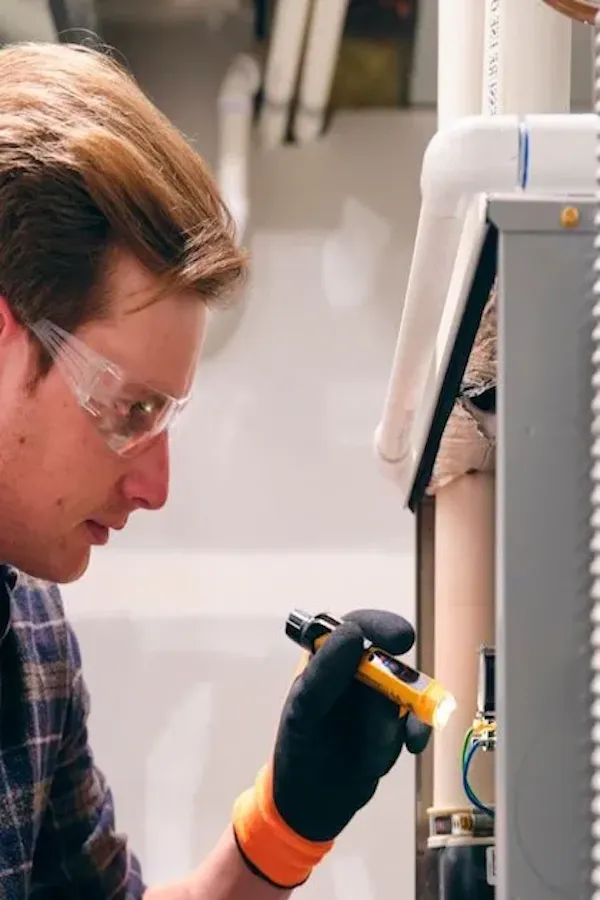
Putting in an energy recovery ventilator is a job for a professional, who'll handle the ductwork, balance the airflow, and keep everything code-compliant.
A sloppy installation invites air leaks and lost efficiency, driving up costs and dragging down air quality.
Expect installation to run between $2,000 and $5,000, depending on how involved the setup is.
Keeping It Running Well
Swap or wash the filters every 3 to 6 months as part of routine maintenance to keep airflow clear and air clean.
Once a year, pull the enthalpy core and give it a gentle wash with mild soap and water to clear away dust.
Every couple of years, bring in a professional to look over the fans, ducts, and controls for top performance.
Energy Recovery Ventilator in Winter
Cold-Weather Operation
During winter, an energy recovery ventilator keeps moisture from piling up in a sealed home, fending off mold and protecting air quality.
By reclaiming heat from outgoing air, the unit can cut heating costs by as much as 15% next to an exhaust-only system.
Some models add a preheater that stops the core from freezing when temperatures plunge below zero, keeping things running smoothly.
Dialing In Winter Settings
Run the unit at a moderate ventilation rate in winter so you balance fresh air against heat retention and avoid drying things out.
Lean on the built-in sensors to hold relative humidity in the comfortable 30-50% band.
Keep the exterior vents clear of snow and ice so airflow never gets blocked during a deep freeze.
Cost and Incentives
What an ERV Costs
The unit itself typically runs from $1,500 to $4,000, with installation added on top depending on your ductwork.
High-efficiency choices like the Fantech VHR 2005R pay you back over time, often recouping their cost within 5 to 7 years.
Upkeep stays light, usually $100 to $200 a year for filters and the occasional service call.
Rebates and Credits
Hydro-Quebec hands out rebates of up to $1,000 when you install an ENERGY STAR-certified ERV in Canada.
South of the border, federal tax credits through 2025 can refund up to 30% of an ERV's cost, capped at $600, under the Inflation Reduction Act.
It's worth checking your local utility for extra programs that bring the upfront price down even further.
Conclusion: A Smarter, Comfier Home
Why an ERV Is Worth It
Once you grasp what is an energy recovery ventilator, its value becomes obvious, fresher air and lower bills all year long.
An ERV rolls health, comfort, and sustainability into a single appliance, making it a sound choice for any modern home.
Choose the best energy recovery ventilator for your situation and keep it maintained, and you'll enjoy a healthier, more efficient cooling and heating setup for many seasons.
Expert HVAC Solutions for Terrebonne Residents
A high-performing HVAC system relies on correct installation and consistent upkeep. These critical factors directly
impact your comfort, energy bills, and long-term reliability. The solution is to work with licensed
technicians.
In Terrebonne, Climatisation
Terrebonne provides this essential service. For a consultation or quote, call them at
+1 (450) 729-1076
or email
climatisationterrebonne@outlook.com
.
Their comprehensive services cover all HVAC needs, from new installations to emergency repairs. Book a service visit at a time that suits you using their convenient online booking tool. Visit their online hub at https://climatisationterrebonne.com for detailed service information and to request a personalized estimate.
Need Professional Help?
If your energy recovery ventilator (ERV) is showing signs of poor performance or inefficiency, our certified technicians can diagnose and address the issue promptly. Discover our air exchanger installation, repair, and maintenance services in Terrebonne.
Approved sites
Further reading
A Practical Guide to Energy Recovery Ventilators and Healthier Home Air +1 (450) 729-1076
What Is an Energy Recovery Ventilator?
Nous offrons des services de chauffage, climatisation et ventilation à Terrebonne, Québec, spécialisés dans l'installation et la réparation de thermopompes, climatiseurs et échangeurs d'air pour des projets résidentiels et commerciaux. climatisationterrebonne@outlook.com

Copyright © 2024
Propulsé par : Earnanswers
Contactez-nous
Climatisation Terrebonne Chauffage Climatisation Ventilation
Si vous recherchez des solutions de chauffage et climatisation de qualité près de chez vous, notre équipe d'experts chez Climatisation Terrebonne vous garantit des résultats fiables et écoénergétiques. Nous desservons Terrebonne, Lachenaie, Saint-Louis-de-Terrebonne, Saint-Joachim, Domaine-des-Pins, Domaine-du-Boisé, Île-des-Moulins, Côte Terrebonne, La Plaine, Mascouche, Repentigny, Laval et les environs. Contactez-nous pour une soumission rapide sur vos besoins en thermopompes, climatiseurs ou échangeurs d'air.