What Is a Heat Recovery Ventilator?
Getting to Know the HRV
If you have ever wondered why some homes feel fresh year-round while others trap stale, stuffy air, the answer often comes down to a heat recovery ventilator (HRV). This clever device swaps tired indoor air for clean outdoor air, all while holding on to the heat you have already paid for.
An HRV is built for places with real winters—think Quebec—where throwing warm air outside is simply throwing money away. A quality unit can hang on to roughly 80–85% of the heat from the air leaving your home.
Beyond saving energy, a heat recovery ventilator keeps a steady flow of fresh air moving through your living space. That constant exchange pushes out pollutants, allergens, and trapped moisture before they have a chance to settle in.
What Sets an HRV Apart
People often ask what is a heat recovery ventilator next to a plain bathroom exhaust fan. The difference is balance: an HRV pulls in just as much fresh air as it pushes out, so your home never ends up under negative pressure.
It also differs from an energy recovery ventilator (ERV). An HRV moves heat only—not humidity—so it shines in cold, dry climates where you do not want to add extra moisture indoors during winter.
Tied into your HVAC setup, the HRV takes pressure off your furnace by preheating incoming air, which matters a lot in tightly sealed modern houses.
What Does a Heat Recovery Ventilator Do?
The Heart of the System
So, what does a heat recovery ventilator do day to day? It captures the warmth from your outgoing stale air and passes it to the fresh, cold air coming in—refreshing the house without dumping your heat outside.
Because it ventilates without big heat losses, an HRV helps your home stay cozy through brutal Canadian winters and can trim around 20% off your heating bill.
It also lowers indoor CO2 and volatile organic compounds, which is a real benefit for anyone in the household who struggles with breathing issues or allergies.
Inside the Unit
The core of a heat recovery ventilator—usually aluminum or plastic—lets the two air streams swap heat without ever mixing together.
A pair of fans keeps everything balanced, drawing in fresh air through one duct while expelling stale air through another for around-the-clock ventilation.
Built-in filters catch dust, pollen, and grit, which protects the machine and keeps your indoor air cleaner.
- Pick a heat recovery ventilator rated at 80% efficiency or higher for the best savings.
- Insulate your ducts properly so you do not lose heat along the way.
- Look for quiet fans, ideally under 1.5 sones, especially near bedrooms.
- Choose ENERGY STAR models to stay eligible for rebates.
- Clean the core regularly to keep performance high.
What Is an Energy Recovery Ventilator?
HRV vs ERV
What is an energy recovery ventilator? An ERV moves both heat and moisture, while an HRV handles heat alone. That single difference is why ERVs are often picked for humid regions.
An energy recovery ventilator helps stop indoor air from getting too dry or too damp, whereas an HRV may dry things out in winter—which is exactly what you want in colder, drier areas.
The right choice comes down to your climate: HRVs win in cold, dry zones, while ERVs make more sense where humidity is a year-round concern.
How Energy Recovery Works
What is energy recovery ventilation? It is the process of trading indoor and outdoor air while transferring both heat and moisture to cut energy waste and steady your humidity.
An ERV relies on an enthalpy wheel or membrane to carry heat and moisture together, unlike the heat-only approach of an HRV.
That humidity control adds comfort in regions with swinging moisture levels, rounding out what the heat-focused HRV does so well.
What Is an ERV in HVAC?
The ERV in Your System
What is an ERV in HVAC? It is a ventilation piece that recovers heat and moisture to precondition fresh air, easing the load on your heating and cooling gear.
By comparison, a heat recovery ventilator zeroes in on heat alone, making it the go-to for cold climates where moisture is not the main worry.
Both an ERV and an HRV connect to your furnace or air conditioner, helping you meet ventilation codes while keeping efficiency high.
What Is an ERV?
What is an ERV? It is a ventilation system that shifts heat and moisture together, balancing air quality and energy use in homes and commercial buildings alike.
An ERV really earns its keep in humid climates, holding down moisture and discouraging mold—something an HRV is not designed to do.
Within an HVAC system, an ERV supports greener living by cutting energy use while still delivering fresh air.
Applications and Suitability
Homes
A heat recovery ventilator is a natural fit for tight, energy-efficient homes in cold regions, where keeping heat during ventilation makes all the difference for comfort and cost.
In well-sealed houses, it stops stale air from collecting, lowering health risks and lifting overall air quality.
Paired with HEPA filters, an HRV pulls fine particles from the air—great news for allergy sufferers.
Commercial and Industrial
In offices, an HRV keeps fresh air flowing for staff, helping fight sick-building syndrome while keeping heating costs in check.
Shops and restaurants lean on heat recovery ventilators to manage odors and hold steady temperatures without burning extra energy.
Industrial sites use them to satisfy strict ventilation rules while reclaiming heat, supporting both efficiency and sustainability.
Choosing the Best HRV
Brands Worth a Look
Lifebreath units like the RNC 205 deliver up to 85% heat recovery with tough cores built for cold weather.
Venmar's AVS Solo line is popular in homes thanks to quiet operation and smart controls.
Fantech's VHR 150 offers dependable performance and simple upkeep, a solid pick for small to mid-sized homes.
What to Compare
Match the unit's capacity (roughly 50–200 CFM) to your home's size so it ventilates well without overworking.
Aim for high efficiency (above 80%) and low noise (under 1.5 sones) for comfort and savings together.
Favor a warranty of at least 5 years on the core and 2 years on parts to safeguard your investment.
Installation and Maintenance
Leave It to the Pros
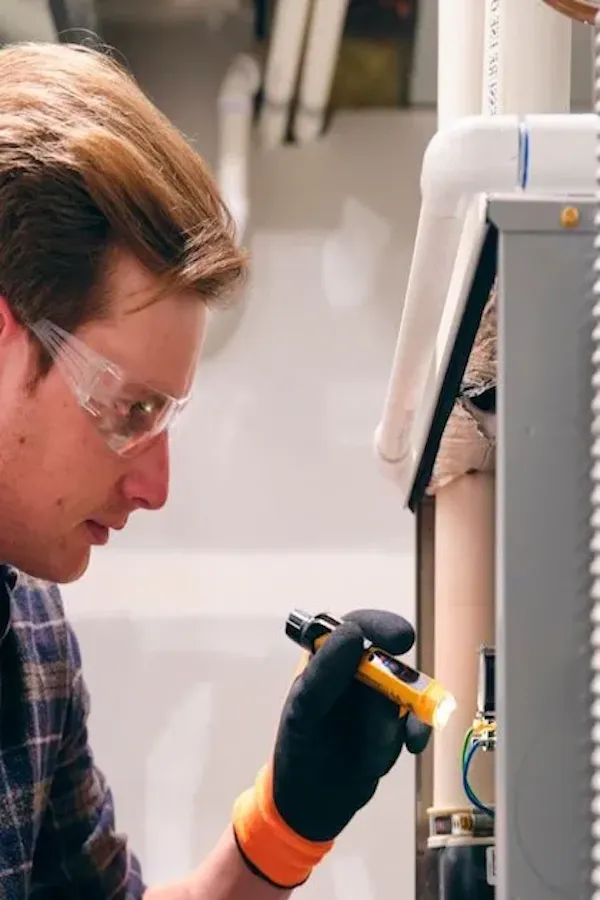
Setting up a heat recovery ventilator calls for a certified professional to handle the ductwork, balance the airflow, and meet local codes. Good installation drives everything else.
A sloppy installation can cause leaks and lost efficiency, driving costs up and dragging performance down.
Expect installation to run $2,000 to $5,000, depending on your home's size and how complex the ductwork is.
Keeping It Running
Clean or swap the filters every 3–6 months to keep airflow strong and dust at bay. This routine maintenance matters more than people think.
Check the core once a year and wash it with mild soap to clear debris and hold efficiency steady.
Book professional maintenance every 2–3 years to look over fans, ducts, and controls, usually $100–$200 per visit from a qualified professional.
Performance in Cold Climates
Winter Duty
In winter, an HRV is essential for ventilating sealed homes, keeping humidity in check to prevent mold while reclaiming heat.
In frigid weather, it lowers heating costs by carrying warmth from outgoing air into the fresh air coming in.
Many heat recovery ventilators add preheaters that stop the core from freezing when temperatures dive below zero.
Dialing It In
Run your HRV at a moderate setting in winter to bring in fresh air without drying out your home.
Keep the exterior vents clear of snow and ice so airflow stays open through storms.
Watch your indoor humidity and keep it between 30–50% to avoid overly dry winter air.
Cost and Incentives
What It Costs
The unit itself runs $1,500–$4,000, with installation adding $2,000–$5,000 depending on ductwork and complexity.
High-efficiency models like Venmar's AVS E15 cut energy bills and often pay for themselves in 5–7 years.
Upkeep stays cheap, usually $100–$200 a year for filters and servicing.
Rebates and Credits
In Canada, Hydro-Quebec offers rebates up to $1,000 on an ENERGY STAR-certified HRV, easing the upfront cost.
In the U.S., federal tax credits cover 30% of the cost, up to $600, under the Inflation Reduction Act.
Local utilities may stack on extra incentives, so it pays to check with your provider before buying.
Conclusion: Better Air, Lower Bills
Why an HRV Is Worth It
Knowing what a heat recovery ventilator is shows just how much it can lift your air quality while trimming energy costs in cold climates.
For modern homes, an HRV blends health, comfort, and efficiency, complementing the rest of your heating and cooling setup.
Choose a solid unit and maintain it well, and you will enjoy a healthier, more comfortable home for many years.
Your Partner for Year-Round Comfort in Terrebonne
Your home's comfort and the health of your HVAC systems deserve expert care. Professional
installation and proactive maintenance are the pillars of a healthy, comfortable, and energy-efficient home, providing
invaluable peace of mind.
To find this trusted partner in Terrebonne, turn to
Climatisation Terrebonne
. Feel free to reach out to them
at
+1 (450) 729-1076
or via email at
climatisationterrebonne@outlook.com
to discuss your needs.
Whether installing a new system, repairing an existing one, or keeping it running smoothly, their dedicated team is ready to help. Book your consultation in moments using their online scheduling link. Explore their site at https://climatisationterrebonne.com to learn about their commitment to quality and to request a custom estimate.
Need Professional Help?
If your heat recovery ventilator (HRV) is underperforming or causing air quality concerns, our certified technicians can inspect and service it efficiently. Discover our air exchanger installation, repair, and maintenance services in Terrebonne.
Approved sites
Further reading
A Practical Guide to Fresher Air and Smarter Energy Use at Home +1 (450) 729-1076
What Is a Heat Recovery Ventilator?
Nous offrons des services de chauffage, climatisation et ventilation à Terrebonne, Québec, spécialisés dans l'installation et la réparation de thermopompes, climatiseurs et échangeurs d'air pour des projets résidentiels et commerciaux. climatisationterrebonne@outlook.com

Copyright © 2024
Propulsé par : Earnanswers
Contactez-nous
Climatisation Terrebonne Chauffage Climatisation Ventilation
Si vous recherchez des solutions de chauffage et climatisation de qualité près de chez vous, notre équipe d'experts chez Climatisation Terrebonne vous garantit des résultats fiables et écoénergétiques. Nous desservons Terrebonne, Lachenaie, Saint-Louis-de-Terrebonne, Saint-Joachim, Domaine-des-Pins, Domaine-du-Boisé, Île-des-Moulins, Côte Terrebonne, La Plaine, Mascouche, Repentigny, Laval et les environs. Contactez-nous pour une soumission rapide sur vos besoins en thermopompes, climatiseurs ou échangeurs d'air.